
How AI May Change the Fashion Industry
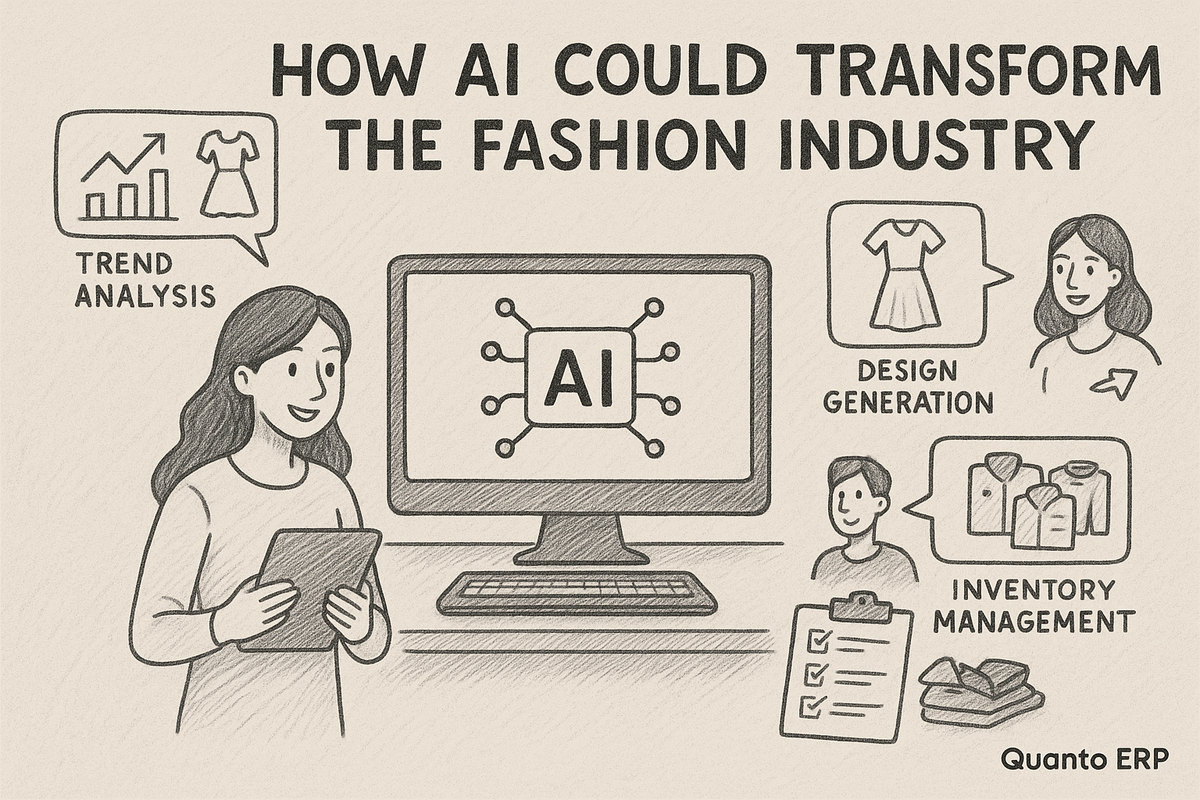
Artificial Intelligence (AI) is no longer just a buzzword — it’s reshaping industries across the world. In fashion, where trends, speed, and consumer experience rule the game, AI is becoming a game-changer. From design studios to retail shop floors, AI is influencing how garments are created, marketed, sold, and even recycled.
So how exactly is AI set to transform the fashion industry? Let’s explore.
🎨 AI in Design & Creativity
Traditionally, designers relied on inspiration, sketches, and trend forecasting. Today, AI can:
- Predict trends by analyzing millions of social media posts, runway shows, and influencer styles.
- Generate designs automatically with AI-powered tools that suggest new prints, cuts, and color palettes.
- Virtual try-ons let customers see how outfits would look before production — reducing wasted samples.
👉 This means faster, more experimental design cycles with lower costs.
🏭 AI in Production & Supply Chain
The textile supply chain is complex — from yarn to garment to warehouse. AI simplifies this by:
- Optimizing fabric usage to reduce waste.
- Predicting demand by region to avoid overproduction.
- Automating quality checks with computer vision that detects fabric defects faster than humans.
👉 Result: Less waste, fewer errors, and a greener supply chain.
🛍 AI in Retail & Customer Experience
At the retail level, AI touches customers directly:
- Smart Recommendations: Just like Netflix, fashion platforms suggest the right outfits based on preferences and past purchases.
- Dynamic Pricing: Prices adjust intelligently during sales or festivals, maximizing both sales and margins.
- Chatbots & Virtual Stylists: Customers get instant help — from size recommendations to styling advice.
👉 Shoppers feel seen, understood, and valued.
📦 AI in Inventory & ERP
Here’s where it directly connects with retailers:
- AI predicts which sizes, price ranges, and designs will sell fastest.
- Tracks stock rotation to avoid dead stock.
- Automates purchase orders before shelves go empty.
- Reduces return rates by analyzing patterns (e.g., a design with higher returns due to size issues).
👉 Retailers save money and never miss a sale.
🌍 AI and Sustainability
Fashion has a waste problem. AI helps brands become more sustainable by:
- Predicting demand → less overproduction.
- Encouraging recycling → AI sorts old garments by fabric type.
- Eco-trend insights → AI identifies growing consumer demand for sustainable products.
👉 Sustainability isn’t just ethical — it’s profitable when driven by AI insights.
🚀 The Road Ahead
Fashion is about speed + creativity + personalization. AI accelerates all three. From digital showrooms to AI-powered ERP, the industry is moving toward a future where every garment is designed smarter, sold smarter, and managed smarter.
Retailers who adopt AI today will lead tomorrow. Those who don’t risk being left behind.
✨ In short: AI won’t replace designers or retailers — it will empower them.